
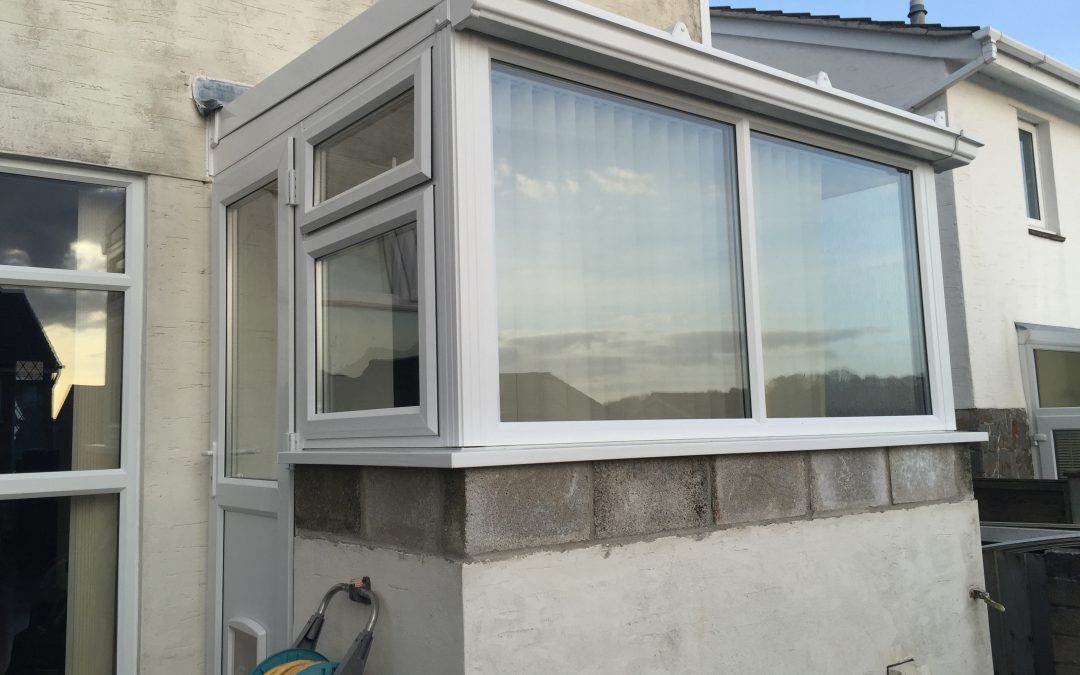
Installing a double-glazed window may help reduce outside noise. However, it may depend on the type that you are using. Most standard options on the market can soften the sound. It becomes possible to filter out distant traffic sounds, general noise, and neighbours’ chatter. However, not every option may work the same way. For this reason, it is best to consult experts for the best options for double glazing in Plymouth.
Types of Double Glazing
As a basic option, you can enjoy noise reduction. If it is upgraded to double glazing with larger gaps and mixed glass thicknesses, it can provide better noise reduction. Superior service quality can be ensured by installing an acoustic laminated option.
If your existing single- or double-glazed window is unable to keep noise out of your property, it may be time to upgrade it. Modern, well-built options may bring significant changes to your home. To completely block outside noise, it is better to check the pane thickness, air gap, and acoustic lamination. The right specification may yield the best possible result.
Role of Double Glazing in Reducing Noise
Two Panes Together Create a Formidable Barrier
To understand how double glazing reduces noise, you should first understand how sound travels. Sound is a vibration that moves through the air. When it hits the window, it must pass through the glass and frame to reach your ears while staying inside.
If double glazing is the place, it becomes possible to take advantage of two panes. Both these panes create resistance to the sound. It must pass through two layers, which causes it to lose energy.
Sealed Gaps May Absorb Sound
Between the two panes used for double-glazing, you will find an insulating cavity. Filling the gap with argon gas, which may slow the speed of sound waves when they pass through. It is effective at absorbing vibrations. It may not allow the noise to be transferred. However, the size of the gap may be important here. If there is a wider gap, it may be possible to ensure an improved noise reduction. On occasion, the optimal gap is around 16-20mm.
Diverse Glass Thickness Can Disrupt the Sound Waves
If both panes are the same thickness, they may allow some sound frequencies to pass through. Therefore, experts recommend using glass panes of varying thicknesses to achieve the best possible results. Mismatching can absorb sound waves more effectively. It is a double-glazing technique also known as asymmetric glazing. It is especially beneficial when you want to achieve an acoustic window design.
Tight Sealing Prevents Leaks
Choosing the best glazing option may not deliver results if there are gaps between the frames. Poor sealing and draughtiness can cause issues on the way. Compression seals and modern frames are important for achieving excellent acoustic performance.
Want to install double glazing in Plymouth? Experts from the South Hams Double Glazing can deliver you the best possible service. Contact us today to know more about our services.
Recent Comments